
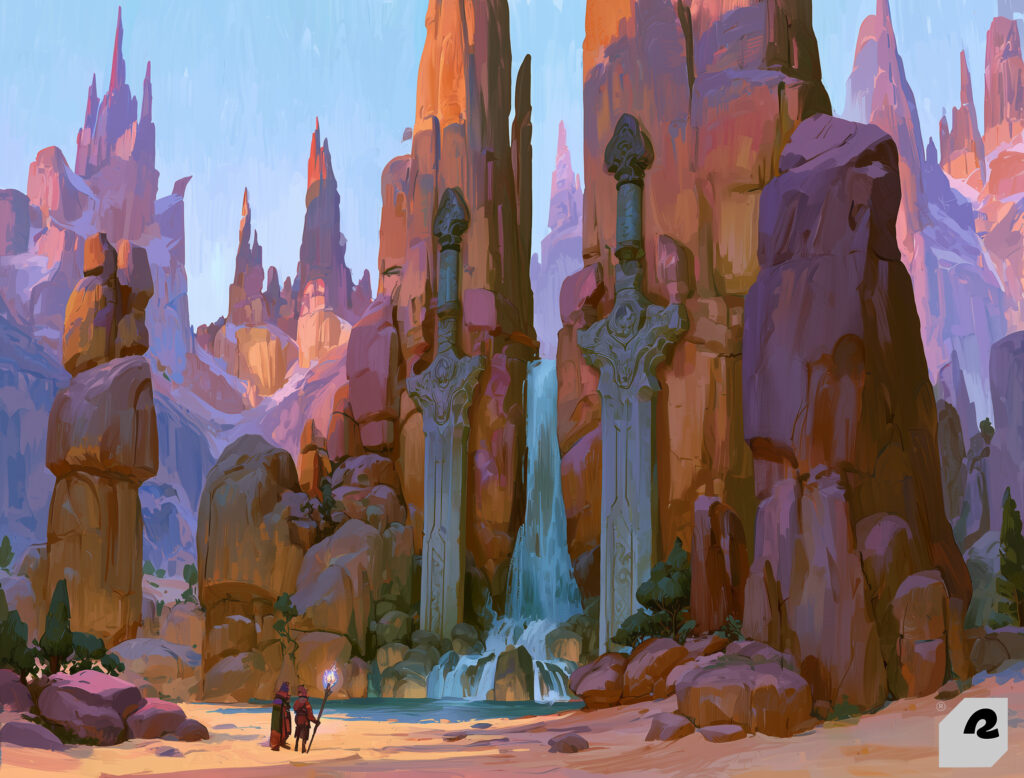
Most great visuals do not begin as final designs.
They begin as a feeling.
A strange shape.
A color palette.
A character sketch.
A world that does not exist yet, but somehow already feels familiar.
That early visual thinking is called concept art.
Concept art is the stage where ideas become visible before they become final. It is used to explore the look, mood, tone, characters, environments, and visual direction of a creative project before it moves into production, branding, illustration, animation, packaging, or campaign design. In simple words, concept art helps people see the idea before the idea is finished. StudioBinder describes concept art as the visual representation of an idea before it becomes a finished product, often used to define the look and feel of films, games, animation, and other creative work.
For a brand, that matters more than people think.
Because before a logo becomes memorable, before packaging feels premium, before a campaign image catches attention, there has to be a world behind it.
At Raysome Studio, this is where brand identity, concept art, character design, and illustration meet.
Quick Answer: What Is Concept Art?
Concept art is visual development work used to explore and define the look of an idea before it becomes final.
It can include:
- Character ideas
- Environment sketches
- Brand worlds
- Product moods
- Campaign visuals
- Color and lighting direction
- Style exploration
- Props, symbols, and visual systems
- Early illustration directions
Concept art is not just “pretty artwork.” It is creative problem-solving. It answers questions like:
What should this brand feel like?
What kind of world does this product belong in?
What should this character communicate before they say anything?
What visual style will make this campaign stand out?
That is why concept art is useful for more than movies and games. It can help brands, authors, startups, product companies, fashion labels, publishers, and creative founders build visuals with more depth.
Concept Art Is the Bridge Between Strategy and Final Design
A final design shows the answer.
Concept art explores the possibilities before the answer is chosen.
Think of it like architecture for imagination. Before a building is constructed, there are sketches, studies, mood references, and visual plans. Concept art does the same thing for creative projects. It gives shape to ideas while they are still flexible.
For brands, this can happen before:
- A full brand identity system
- A packaging direction
- A mascot or brand character
- A campaign illustration
- A book cover
- A product launch visual
- A website art direction
- A social content universe
This is why concept art works so well with brand identity design services. A logo can identify a company, but a visual world can make people remember it.
A strong brand does not only need a mark. It needs a mood, a setting, a tone, a cast of visuals, and a reason to feel different.
Concept Art vs Illustration: What Is the Difference?
This is where many people get confused.
Concept art is usually made to explore and define an idea.
Illustration is usually made to communicate or present a finished idea.
CG Spectrum explains the difference clearly: concept art explores how a character, environment, or prop might look, while illustration brings elements together into a more finished image that tells a story.
Here is the simple version:
| Concept Art | Illustration |
|---|---|
| Explores ideas | Presents ideas |
| Can be rough or polished | Usually more finished |
| Used before final design | Used as final artwork |
| Helps choose direction | Communicates the chosen direction |
| Focuses on possibilities | Focuses on impact |
For example, if a skincare brand wants a dreamlike campaign world, concept art might explore soft glass textures, liquid forms, glowing botanical environments, and character-like product scenes.
The final illustration might become the polished campaign image.
Both are connected, but they do different jobs.
Why Concept Art Matters for Brands
Many brands look clean. Fewer brands feel alive.
That is where brand concept art becomes powerful.
A normal branding process might give you a logo, colors, type, and layout. A stronger creative process asks deeper questions:
What world does this brand live in?
What does the audience feel when they enter that world?
What kind of visual language belongs to this brand?
Is the brand sharp, soft, strange, elegant, playful, cinematic, surreal, or grounded?
What visual details make it impossible to confuse with anyone else?
For startups and creative businesses, concept art can help build a brand that feels original from the beginning.
For established brands, it can help refresh campaigns without losing identity.
For authors, games, entertainment projects, and publishing, it can make characters and worlds feel consistent before final artwork begins.
For product brands, it can make packaging, website visuals, ads, and social content feel like they belong to the same universe.
That is why concept art for brands is not decoration. It is direction.
The Concept Art Process
Every studio has its own method, but a strong concept art process usually moves through a few important stages.
1. Discovery
This is where the project begins.
The studio studies the brand, audience, story, competitors, references, goals, and emotional direction. For Raysome, this means understanding not only what the client wants to show, but what the audience should feel.
A luxury brand may need restraint.
A children’s book may need warmth.
A gaming project may need atmosphere.
A packaging campaign may need instant shelf appeal.
A character-led brand may need personality before polish.
Good concept art starts with good questions.
2. Mood and Visual Research
Before drawing, the visual direction needs a foundation.
This can include references for:
- Color
- Texture
- Lighting
- Shape language
- Materials
- Era or setting
- Character attitude
- Product mood
- Cultural or industry cues
This does not mean copying references. It means understanding the visual language that belongs to the idea.
CreativeBloq recently highlighted how background and environment artists often define tone and emotional resonance before the action starts, using narrative, lighting, and visual language to shape how a scene feels. That same principle applies to brand worlds too.
3. Sketch Exploration
This is where the idea starts becoming visible.
Sketches may explore different shapes, symbols, compositions, characters, environments, or campaign directions. At this stage, the goal is not perfection. The goal is range.
A good concept art studio does not jump to the first idea. It studies the idea from different angles.
What if the brand feels more cinematic?
What if the character is more abstract?
What if the packaging world feels architectural?
What if the campaign uses a surreal environment instead of a clean product shot?
Sketching makes those decisions easier before time is spent on final work.
4. Direction Selection
After exploration, the strongest direction is chosen.
This is where concept art becomes practical. It helps the client and studio align before moving forward.
A selected direction may include:
- A visual theme
- Color palette
- Character direction
- Environment style
- Layout mood
- Symbolic details
- Campaign art direction
- Packaging or brand application ideas
This step saves time because everyone can see the idea before it becomes expensive final production.
5. Refinement
Once the direction is approved, the concept becomes more polished.
Forms become clearer.
Colors become more intentional.
Characters gain personality.
Lighting becomes more emotional.
The world starts to feel believable.
For some projects, this refined concept art becomes the foundation for brand identity. For others, it becomes the base for final illustration, packaging visuals, book covers, campaigns, or character design.
6. Final Creative Direction
The final concept does not just sit in a folder.
It guides the work that comes next.
That could be:
- Logo and visual identity design
- Character design services
- Campaign illustration
- Packaging artwork
- Website visuals
- Social media art direction
- Brand storytelling
- Book or publishing design
This is why concept art is so useful. It turns abstract direction into a visual system.
Types of Concept Art
Concept art can appear in many forms depending on the project.
Character Concept Art
This explores how a character looks, feels, moves, and communicates personality.
For a brand, this could become a mascot, campaign character, social avatar, packaging figure, or story-led identity asset.
Strong character concept art is not only about style. It is about personality. The audience should understand something about the character before reading a single word.
Environment Concept Art
This explores the world around the idea.
It could be a room, city, landscape, dream space, product universe, brand scene, or campaign background. Environment concept art helps establish mood, setting, and atmosphere.
For a brand, this can make visuals feel more immersive.
Product and Packaging Concept Art
This helps define how a product should feel before final packaging is built.
It can explore texture, material, shape, lighting, label mood, product story, and shelf presence.
This is especially useful for beauty, skincare, fashion, food, beverage, lifestyle, and luxury brands.
Campaign Concept Art
This explores the visual idea behind an advertising or social campaign.
Instead of making random posts, the brand can build a campaign world with consistent mood, color, characters, and storytelling.
Brand World Concept Art
This is where Raysome’s style fits best.
A brand world is the larger visual universe behind a business. It can include the identity system, concept art, character design, illustration, packaging direction, and campaign visuals.
This is how a brand starts to feel like somewhere people have actually been.
Concept Art Examples in Branding
Imagine three different brands.
A wellness brand wants to feel calm but not boring. Concept art could explore soft landscapes, slow movement, mineral textures, warm light, and quiet human gestures.
A fashion brand wants to feel strange, sharp, and editorial. Concept art could explore dramatic silhouettes, surreal rooms, distorted shadows, and bold character poses.
A children’s publishing brand wants to feel magical but trustworthy. Concept art could explore friendly creatures, handmade textures, cozy interiors, and a color system that feels playful without becoming chaotic.
In each case, concept art gives the brand a creative world before the final design system is built.
Without concept art, the brand may still look nice.
With concept art, the brand can feel remembered.
Why New Brands Should Use Concept Art Early
Many new brands rush straight into a logo.
That is understandable. A logo feels like the official starting point.
But if the deeper visual world is not clear, the logo can become a lonely asset. It may look fine on its own but struggle across packaging, campaigns, social posts, website sections, and future content.
Concept art helps solve this early.
It gives the brand a visual direction before everything becomes locked.
For a new brand, concept art can help define:
- How the brand should feel
- What style of imagery fits
- Whether the tone is premium, playful, cinematic, soft, surreal, or bold
- How characters or illustration should be used
- What kind of campaign visuals can grow from the identity
- How packaging and content can stay consistent
This makes the entire brand system stronger.
Is Concept Art Only for Big Studios?
No.
Concept art is common in film, games, animation, and entertainment, but the thinking behind it is useful for any brand that wants a stronger visual identity.
A small startup can use concept art.
An author can use concept art.
A fashion label can use concept art.
A skincare brand can use concept art.
A packaging project can use concept art.
A creative campaign can use concept art.
The size of the company matters less than the ambition of the idea.
If the project needs a visual world, concept art can help.
How Raysome Studio Uses Concept Art
Raysome Studio is a Wyoming-based creative studio built around the mix of brand strategy, concept art, character design, and illustration.
That mix matters because most brands do not fail because they look bad. They fail because they feel generic.
Raysome uses concept art to help brands move beyond templates and into visual worlds with personality.
For us, concept art is not separate from branding. It is part of how a brand becomes memorable.
It can shape:
- Brand identity systems
- Character-driven campaigns
- Packaging visuals
- Editorial illustration
- Visual storytelling
- Creative direction
- Portfolio-worthy brand worlds
The goal is not just to make something attractive.
The goal is to make something feel like it belongs to a world only that brand could own.
Final Thoughts: Concept Art Makes Ideas Visible
So, what is concept art?
It is the visual beginning of a bigger idea.
It is where strategy becomes mood.
Where a character starts to breathe.
Where a brand starts to feel like a place.
Where a campaign becomes more than a layout.
Where imagination becomes useful.
For brands and creative projects, concept art is one of the best ways to build direction before final design begins.
Because the strongest brands are not only recognized.
They are remembered.
Build a Brand World With Raysome Studio
If your brand deserves more than a clean logo and a forgettable template, Raysome Studio can help you build the world around it.
We create brand identity, concept art, character design, illustration, packaging direction, and visual systems for startups, authors, and ambitious creative projects.